

Sullana: Reconstruction with United Kingdom's technical team and change verified areas where they will execute the
Closed petition Make verified ID a requirement for opening a social media business relationship.
Arrive a legal requirement when opening a new social media business relationship, to provide a verified class of ID. Where the account belongs to a person under the age of eighteen verify the account with the ID of a parent/guardian, to prevent anonymised harmful activity, providing traceability if an offence occurs.
More details
My son Harvey is disabled. He is also the kind and gentle son of a person regularly in the public eye. The Online Harms Bill doesn't go far enough in making online abuse a specific criminal offence and doing what 'Harvey's Law' intended. To make the law work needs the removal of anonymity to ensure that users cannot cause harm by using online platforms to abuse others. Where an offence has taken place they ought to be easily identified and reported to the constabulary and punished. We have experienced the worst kind of corruption towards my disabled son and want to make certain that no one can hibernate behind their criminal offense.
This petition is closed All petitions run for 6 months
Parliament debated this topic
This topic was debated on 28 February 2022
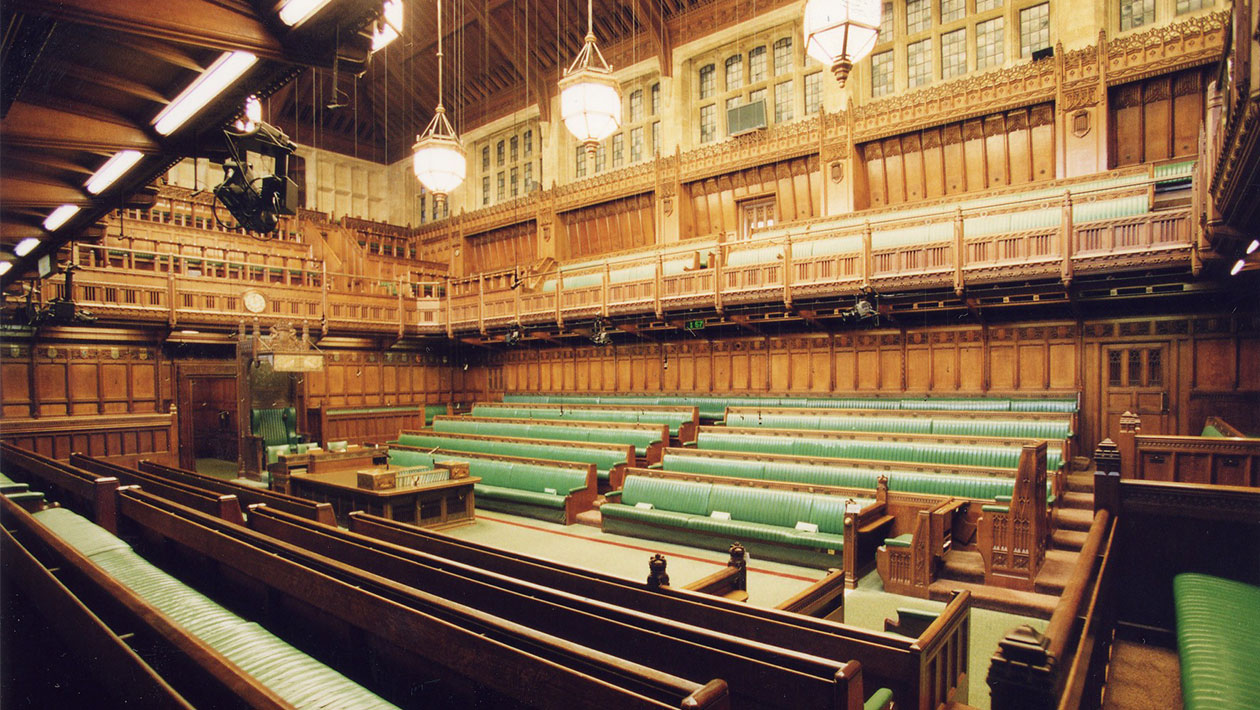
- Lookout man the argue
- Read the transcript
- Read the enquiry
Government responded
This response was given on 5 May 2021
The Online Safe legislation volition address bearding harmful activeness. User ID verification for social media could unduly impact vulnerable users and interfere with freedom of expression.
Read the response in full
The regime recognises concerns linked to anonymity online, which tin sometimes be exploited by bad actors seeking to appoint in harmful activity. However, restricting all users' correct to anonymity, by introducing compulsory user verification for social media, could unduly impact users who rely on anonymity to protect their identity. These users include young people exploring their gender or sexual identity, whistleblowers, journalists' sources and victims of abuse. Introducing a new legal requirement, whereby only verified users tin access social media, would force these users to disclose their identity and increase a risk of harm to their personal safety.
Furthermore, users without ID, or users who are reliant on ID from family members, would experience a serious restriction of their online experience, liberty of expression and rights. Enquiry from the Electoral Commission suggests that there are 3.5 million people in the Great britain who do non currently have access to a valid photograph ID.
The online safety regulatory framework volition have significant measures in identify to tackle illegal and legal merely harmful anonymous corruption. Services which host user-generated content or allow people to talk to others online will need to remove and limit the spread of illegal content, including criminal anonymous abuse. Major platforms volition also need to set out clearly what legal bearding content is acceptable on their platform and stick to it. The government will set out priority categories of legal merely harmful material in secondary legislation.
Users volition also be better able to report harmful content, and expect to receive an appropriate response from the company. This may include, for example, the removal of harmful content, or sanctions against offending users. Compliance with the online safety framework will exist enforced by Ofcom, who volition take a suite of powers to apply confronting companies who fail to fulfil the duty of care. These include fines on companies - of up to £18m or ten% of annual global turnover - and concern disruption measures. The Online Safety Bill, which will requite consequence to the regulatory framework outlined in the total government response, will be prepare this year.
Protecting children is at the heart of our plans to transform the online feel for people in the UK and the strongest protections in this framework volition be for children. All companies in scope will exist required to assess whether children are probable to access their services, and if so, provide additional protections for them. They volition be required to assess the nature and level of run a risk of their service specifically for children, identify and implement proportionate mitigations to protect children, and monitor these for effectiveness. Nosotros expect companies to employ age balls or age verification technologies to forbid children from accessing services which pose the highest risk of harm and to provide children with an age appropriate experience when using their service.
The constabulary already accept a range of legal powers to identify individuals who attempt to apply anonymity to escape sanctions for online harms, where the action is illegal. The authorities is also working with law enforcement to review whether the current powers are sufficient to tackle illegal anonymous abuse online. The outcome of that work will inform the regime'southward futurity position in relation to illegal anonymous online abuse.
The Regime has also asked the Law Commission to review existing legislation on abusive and harmful communications. The Constabulary Commission has consulted on proposed reforms and a final study is expected in the summer. We volition carefully consider using the online harms legislation to bring the Law Commission's final recommendations into police force, where information technology is necessary and appropriate to practise so.
Anonymity underpins people's fundamental right to limited themselves and access information online in a liberal democracy. Introducing a new legal requirement for user verification on social media would unfairly restrict this correct and force vulnerable users to disclose their identity. The Online Safety legislation volition address harmful anonymised activities online and introduce robust measures to improve the condom of all users online.
Department for Digital, Culture, Media and Sport
This is a revised response. The Petitions Committee requested a response which more direct addressed the request of the petition. You can find the original response towards the bottom of the petition folio: https://petition.parliament.great britain/petitions/575833
Other parliamentary business
MPs to debate Online Anonymity and Anonymous Corruption
Original Regime response
Being anonymous online does not give anyone the right to abuse others. The Government'southward online harms legislation volition address harmful online abuse, including when the perpetrator is anonymous.
We are taking steps through the online harms regulatory framework to address abuse and other harmful behaviour online, whether committed anonymously or not.
In December 2020, we published the full government response to the Online Harms White Paper consultation, which sets out new expectations on companies to go on their users safe online. Social media, websites, apps and other services which host user-generated content or allow people to talk to others online will demand to remove and limit the spread of illegal abuse on their services, including illegal anonymous corruption and other illegal harmful content, such every bit terrorist material or child sexual abuse imagery.
Major platforms will also demand to fix out conspicuously what legal content is acceptable on their platform and stick to it. This volition include stating whether they will tolerate corruption that doesn't meet a criminal threshold, whether anonymous or not.
The framework volition deliver a college level of protection for children online, with companies needing to protect children from inappropriate content and harmful activity. Companies will demand to prove children are non accessing their service, or they will need to conduct a child prophylactic risk assessment and provide safety measures for child users. These include protecting children from inappropriate and harmful content like pornography, and abusive behaviours behaviour such as trolling and pile-on abuse.
Companies will besides have a duty to ensure they take effective and accessible reporting and redress mechanisms. These will need to let users to written report corruption, including anonymous abuse. Advisable responses from the company might include removal of harmful content, sanctions confronting offending users, or changing processes and policies to better protect users. Users will also be able to report concerns to the regulator as part of its enquiry and horizon-scanning activity.
Compliance with the online harms framework will exist enforced by Ofcom, who will have a suite of powers to utilize against companies who fail to fulfil the duty of care. These include fines on companies - of up to £18m or x% of annual global turnover - and business disruption measures. The Online Safety Nib, which volition requite outcome to the regulatory framework outlined in the total government response, volition exist set up this year.
We are also because the criminal law and its ability to deal with harmful communications online. The Authorities has asked the Police Commission to review existing legislation on abusive and harmful communications, including anonymous abuse. The Constabulary Committee has consulted on proposed reforms and a final written report is expected in the summer. We volition carefully consider using the online harms legislation to bring the Law Commission'due south concluding recommendations into law, where information technology is necessary and advisable to exercise so.
The police force already have a range of legal powers to identify individuals who effort to utilise anonymity to escape sanctions for online corruption, where the activeness is illegal. Constabulary reporting shows that in 2017/xviii, 96% of attempts by public authorities to place the bearding user of a social media account, email address or telephone, resulted in successful identification of the suspect of their investigation. The Investigatory Powers Act allows law to acquire communications data such as an e-mail address and location of the device from which illegal anonymous corruption is sent and use it equally evidence in court. The government is working with law enforcement to review whether the electric current powers are sufficient to tackle illegal anonymous abuse online. The outcome of that piece of work will inform the government's future position in relation to illegal anonymous online corruption.
It is important to recognise the benefits of anonymity, too as the challenges. Anonymity underpins people's fundamental right to express themselves and access information online in a liberal republic. This is peculiarly of import for those who sadly accept reason to fright the consequences of speaking freely, such as young people exploring their gender or sexual identity, whistleblowers, journalists' sources, victims of corruption or modern slavery and political dissidents. A blanket ban on anonymity would wash abroad these important benefits and would be unlikely to finish online abuse.
Section for Digital, Culture, Media and Sport
This response was given on 24 March 2021. The Petitions Committee then requested a revised response, that more than directly addressed the request of the petition.
Authorities announces plans to tackle online abuse
On Tuesday 11 May, the Government announced its plans for new laws to tackle harmful content online, as function of the Queen's Spoken language. The Government's plans for new net laws are intended to protect children online and tackle some of the worst abuses on social media, including racist hate crimes. These new laws are contained in a new Online Safety Neb, which will be considered Parliament in due course.
Read more about the Government'southward plans hither: https://www.gov.uk/government/news/landmark-laws-to-continue-children-safe-stop-racial-hate-and-protect-democracy-online-published
Read the typhoon Online Safe Beak and explanatory notes here: https://www.gov.uk/authorities/publications/draft-online-safety-beak
Read the Queen'south Spoken language background briefing notes for more information on the Government'southward proposed Bills: https://world wide web.gov.united kingdom/authorities/publications/queens-spoken language-2021-background-briefing-notes
What is the Queen'southward Speech?
The Queen's Speech is the speech that the Queen reads out in the Business firm of Lords Chamber on the occasion of the State Opening of Parliament.
It'south written by the Government and sets out the programme of Bills - new laws, and changes to existing laws - that the Government intends to put forward in this new Parliamentary session. A session of Parliament usually lasts around one year.
Once the Authorities puts forrad a Bill in Parliament, Parliament then debates the Government's proposal and decides whether to prefer the changes to the law prepare out in the Pecker.
Petitions Committee announce evidence sessions on tackling online abuse
On Tuesday 2 Nov, the Petitions Commission will hold an testify session with experts and campaigners as it resumes its inquiry into Tackling Online Abuse.
Picket the session, from 2.15pm on Tuesday 2 Nov: https://world wide web.parliamentlive.idiot box/Commons
The session follows evidence sessions in summer 2020 with petitioners Katie and Amy Price, and Bobby Norris, focusing on their experience of receiving online abuse targeted at them and their families.
The Committee is resuming its enquiry following the Government'due south publication of its typhoon Online Safety Bill earlier this year. Tuesday'south session will exist the first of three sessions the Commission plans to hold over the next calendar month.
Earlier this year, a petition calling for verified ID to be made a requirement for opening a social media account received virtually 700,000 signatures in six months. Over 500,000 of those people signed in the weeks following the racist abuse aimed at England footballers afterward the 2020 European Championships last.
Find all publications related to this inquiry, including oral and written bear witness: https://committees.parliament.uk/work/307/tackling-online-abuse/publications/
What is the Commission looking at?
The Committee's research will be focusing on:
-
The lived experience of people receiving online abuse on social media, particularly in relation to protected characteristics;
-
Social, regulatory and technological solutions to online abuse – in particular the option of user ID verification and/or restrictions on anonymity on social media; and
-
The availability and enforcement of legal penalties for online corruption.
In its testify session on ii November, the Committee volition focus on opportunities and priorities for Authorities activity to tackle online abuse aimed at people every bit a effect of characteristics such as their sexuality, disability, or religion.
It will too consider experts' perspectives on the Government's proposals to tackle online abuse through its draft Online Safety Neb, as well as looking at how stronger Regime-led interventions to tackle online abuse could affect freedom of spoken language online.
Detect out more well-nigh this session on our website: https://committees.parliament.uk/committee/326/petitions-committee/news/158217/petitions-committee-hears-from-antidiscrimination-campaigners/
What are evidence sessions?
Bear witness sessions are public meetings with experts, officials or people with personal experiences of the topic existence examined. Testify sessions assistance Committees to sympathize how Government policies are working in the real earth, and what needs to modify to make things ameliorate.
What is the Petitions Committee?
The Petitions Committee is a cantankerous-party group of MPs appointed by the House of Eatables to consider e-petitions submitted on Parliament's petitions website and public (newspaper) petitions presented to the House of Commons.
Observe out more than about the Petitions Committee: https://committees.parliament.united kingdom/committee/326/petitions-committee/
Follow the Committee on Twitter for updates on its work: https://twitter.com/HoCpetitions
You can as well sign upwardly to the UK Parliament newsletter for the latest information on how to become involved and make a difference: https://learning.parliament.uk/en/your-britain-parliament-newsletter-sign-up-course/
MPs to question legal experts and social media companies as part of online corruption enquiry
On Tuesday 23 November, the Petitions Committee will have evidence from representatives from social media companies and legal experts equally it continues its inquiry into Tackling Online Corruption.
Watch the session, from two.15pm on Tuesday 23 Nov: https://youtu.exist/Rau_8wyueuQ
In this bear witness session, the Committee will examine how social media companies currently respond to the problem of online corruption, how the Government'south forthcoming Online Safety Nib might modify their arroyo, and what more than these companies can do to ensure users tin be held accountable for their behaviour on these platforms.
The Committee volition besides consider how proposed changes to laws on hate crime and online communications could affect how online abuse is investigated and prosecuted.
Find updates and publications related to this enquiry, including oral and written evidence here: https://committees.parliament.united kingdom/work/307/tackling-online-corruption/
Previous prove sessions
The Committee held prove sessions on 2 November and 16 November, where it heard from anti-discrimination campaigners and experts in social media regulation. At these sessions the Committee looked at:
-
The lived experience of people receiving online abuse on social media, particularly in relation to protected characteristics;
-
Social, regulatory and technological solutions to online abuse – in detail the selection of user ID verification and restrictions on anonymity on social media; and
-
The availability and enforcement of legal penalties for online corruption.
The Committee also considered experts' perspectives on the Regime's proposals to tackle online abuse through its draft Online Safety Beak, as well as looking at how stronger Government-led interventions to tackle online corruption could affect liberty of speech online.
You can read the transcripts for these sessions here: https://committees.parliament.uk/work/307/tackling-online-abuse/publications/
Y'all can scout the sessions on Parliamentlive.boob tube:
Evidence session from two Nov: https://www.parliamentlive.tv/Upshot/Alphabetize/675aae97-7f4a-4405-991b-bbf7f6f1f80d
Testify session from sixteen November: https://www.parliamentlive.idiot box/Upshot/Index/e9df6397-6104-4804-8a89-32ac588bbf66
What are evidence sessions?
Show sessions are public meetings with experts, officials or people with personal experiences of the topic being examined. Evidence sessions help Committees to sympathize how Government policies are working in the real world, and what needs to modify to brand things amend.
What is the Petitions Commission?
The Petitions Commission is a cross-party group of MPs appointed by the House of Commons to consider e-petitions submitted on Parliament'south petitions website and public (newspaper) petitions presented to the House of Commons.
Find out more about the Petitions Committee: https://committees.parliament.britain/committee/326/petitions-committee/
Follow the Commission on Twitter for updates on its work: https://twitter.com/HoCpetitions
You tin can also sign upwards to the UK Parliament newsletter for the latest data on how to go involved and make a deviation: https://learning.parliament.uk/en/your-united kingdom-parliament-newsletter-sign-up-course/
Petitions Committee to conclude online abuse research by questioning Government Minister
On Midweek 1 December, the Petitions Committee will exist holding a terminal evidence session for its inquiry into online abuse where it will question Chris Philp MP, Minister for Tech and the Digital Economy.
Watch the session, from 3pm on Wed 1 December: https://world wide web.youtube.com/watch?v=owmY9srArdo
In this session the Committee will question the Minister on how the Government's proposed online safety regulation will assistance tackle online abuse and the damage it causes users, and how the Government intends to measure the impact and success of its new regulation.
It will too ask if the Government's regulatory proposals could exist changed to ameliorate reflect the concerns of petitioners, including well-nigh the part of anonymity in enabling corruption online.
Find updates and publications related to this inquiry, including oral and written evidence here: https://committees.parliament.united kingdom of great britain and northern ireland/work/307/tackling-online-abuse/
Previous prove sessions
The Committee held prove sessions on ii November, 16 Nov and 23 November, where information technology heard from candidature organisations, experts in social media regulation and representatives from popular social media platforms. At these sessions the Committee looked at topics including:
-
The lived experience of people receiving online abuse on social media, peculiarly in relation to protected characteristics
-
Social, regulatory and technological solutions to online abuse – including the option of user ID verification and restrictions on anonymity on social media
-
The availability and enforcement of legal penalties for online corruption
-
How the Authorities'south Online Safety Nib could change social media platforms' approach to tackling online abuse, and affect liberty of speech online.
You can read the transcripts for these sessions hither: https://committees.parliament.united kingdom/piece of work/307/tackling-online-abuse/publications/
You can watch the sessions on Parliamentlive.tv:
Evidence session from two Nov: https://www.parliamentlive.telly/Consequence/Alphabetize/675aae97-7f4a-4405-991b-bbf7f6f1f80d
Bear witness session from 16 November: https://world wide web.parliamentlive.tv/Consequence/Index/e9df6397-6104-4804-8a89-32ac588bbf66
Evidence session from 23 November:
https://parliamentlive.tv/Issue/Index/b9cb2234-323e-410d-85ab-3d6c8ec22959
What are show sessions?
Evidence sessions are public meetings with experts, officials or people with personal experiences of the topic being examined. Evidence sessions help Committees to empathize how Government policies are working in the real globe, and what needs to change to make things better.
What is the Petitions Committee?
The Petitions Commission is a cantankerous-party group of MPs appointed past the House of Commons to consider eastward-petitions submitted on Parliament's petitions website and public (newspaper) petitions presented to the Business firm of Eatables.
Find out more than near the Petitions Committee: https://committees.parliament.uk/committee/326/petitions-committee/
Follow the Committee on Twitter for updates on its piece of work: https://twitter.com/HoCpetitions
Yous can also sign up to the UK Parliament newsletter for the latest data on how to get involved and make a difference: https://learning.parliament.uk/en/your-uk-parliament-newsletter-sign-up-grade/
Report on the draft Online Rubber Bill to be debated by MPs
Petitions Committee publishes written report on tackling online abuse and announces argue
On Tuesday 1 February, the Petitions Committee published a new report on Tackling Online Abuse, which examines what the Authorities can practise to help protect social media users from abuse online.
The written report is the result of an inquiry by the Committee, in which it heard from petition creators, campaign groups, social media companies, and experts on social media regulation.
Read a summary of the written report and its key recommendations to the Government:
https://ukparliament.shorthandstories.com/tackling-online-abuse-petitions-study/index.html
The Committee has also scheduled a fence in Parliament on the two petitions which prompted its inquiry, which will take place on Mon 28 Feb.
Find out more than, including annotate from Petitions Commission Chair Catherine McKinnell MP:
https://committees.parliament.great britain/committee/326/petitions-committee/news/160612/failure-to-foreclose-repeated-online-abuse-should-pb-to-fines-for-social-media-companies-say-mps
About the Committee's study
The written report looks at how the Government and social media companies tin can meliorate answer to abusive behaviour taking identify online, and accost the harm abuse can cause to people who receive information technology, and their families.
Information technology looks at new laws the Government is planning to introduce in the Online Safety Bill, which the Government has said will help to tackle online abuse.
The written report also considers how to ensure people abusing others online are held accountable for their actions, including changes to the criminal law to punish this behaviour, and whether social media users should exist required to link their account to a real world identity document.
The report calls on the Government to accept activeness including:
- Fining social media companies that neglect to forestall people who have been banned from the platform for abusive behaviour from setting up new accounts
- Requiring social media companies to requite their users the selection to link their account to verified ID and block interactions with unverified users
- Strengthening the protections for adults in the Online Safety Bill against the risk of facing corruption on social media, in particular for groups of users who are more probable to receive abuse.
Read the full study (HTML): https://publications.parliament.uk/pa/cm5802/cmselect/cmpetitions/766/report.html
Read the full report (PDF): https://committees.parliament.united kingdom/publications/8669/documents/89002/default/
What happens next?
The Petitions Commission has submitted the report to the Government for their consideration. The Government is expected to respond to the Committee's study within two months. Once it's been received, the Committee will publish the Government's response on its website and notify petitioners.
Follow the Commission on Twitter for updates on its work: https://twitter.com/hocpetitions
The Government is expected to introduce the Online Rubber Neb in Parliament later this year. Once it has been presented in Parliament you'll be able to read the Bill and follow its progress here: https://bills.parliament.united kingdom/
Westminster Hall debate
The Committee has likewise scheduled a debate on the following petitions relating to online abuse which have received more than 830,000 signatures in total:
-
Make verified ID a requirement for opening a social media account: https://petition.parliament.u.k./petitions/575833
-
Concord online trolls accountable for their online abuse via their IP address: https://petition.parliament.uk/archived/petitions/272087
The debate will take place on Monday 28 February from 4:30pm, and will last for upward to three hours. Y'all will be able to spotter the fence on Parliament'south YouTube channel here:
https://www.youtube.com/watch?5=Z_eyMIEc564&feature=youtu.be
The fence volition be opened by Catherine McKinnell MP, the Chair of the Petitions Commission. The Government will send a Government minister to respond.
New online rubber laws start their journey through Parliament
On Th 17 March, the Authorities's Online Safety Beak was introduced in the House of Commons. This is the first stage of a Beak's passage through the House of Commons and takes identify without debate. The Pecker now has to go through other stages in Parliament before information technology becomes constabulary.
The Bill aims to protect the prophylactic of internet users. It proposes that social media companies and other platforms should be legally required to tackle illegal and harmful content and behaviour online. This includes online corruption.
To help address anonymous abuse, the Bill volition require the largest social media platforms to give their users the option to verify their online identity and to block interactions with unverified users.
Read the Regime'south press release:
https://www.gov.uk/authorities/news/world-first-online-safety-laws-introduced-in-parliament
To coincide with the Bill's introduction, the Secretary of Land for Digital, Culture, Media and Sport Nadine Dorries MP gave a written statement to the House of Commons.
Read the Minister'south argument:
https://questions-statements.parliament.united kingdom of great britain and northern ireland/written-statements/particular/2022-03-17/hcws691
Virtually the Pecker
The Neb introduces new legal rules, which will apply to online platforms that allow users to post content or collaborate with each other. It will require platforms to remove illegal material and protect children from encountering harmful content.
The largest platforms, including the most popular social media websites, will also take to say whether they will remove or limit access to some types of content that is legal but harmful to adults. The Government volition set out what types of content this will involve once the Bill has become constabulary. It's likely that this will include online abuse.
Ofcom will act every bit a new online safety regulator and volition be able to fine these platforms if they do not meet their new obligations - for instance, if they neglect to remove abusive content where they accept promised to do and then.
The Neb also introduces new requirements on platforms to protect users' liberty of expression, and to give users the ability to entreatment if content they take posted is removed without skilful reason.
Read a factsheet near the Bill:
https://www.gov.uk/regime/publications/online-prophylactic-nib-supporting-documents/online-safety-bill-factsheet
Petitions Committee Chair response to Online Safety Neb
The Bill's introduction follows the publication in February of the Petitions Commission'southward report into Tackling Online Abuse. The Committee chosen on the Government to strengthen protections for social media users against online corruption.
The Chair of the Committee, Catherine McKinnell MP, has welcomed the Neb's publication merely pointed to areas where it could yet become further, in line with the Committee's recommendations in its written report.
Read the response from the Committee Chair:
https://committees.parliament.united kingdom of great britain and northern ireland/committee/326/petitions-committee/news/164923/chair-responds-to-publication-of-the-governments-online-safe-bill/
Adjacent steps
A date for the Bill'south 2nd Reading - a debate on the general principles of the Neb - will be appear in due course.
You can go on up to engagement with the Nib's progress and read a copy of the Bill here:
https://bills.parliament.great britain/bills/3137
You lot tin find out more about how a Nib becomes law here:
https://www.parliament.u.k./about/how/laws/passage-bill/
MPs to begin debating the Online Safe Beak
Source: https://petition.parliament.uk/petitions/575833
Posted by: zamorahoge1993.blogspot.com
0 Response to "Sullana: Reconstruction with United Kingdom's technical team and change verified areas where they will execute the"
Post a Comment